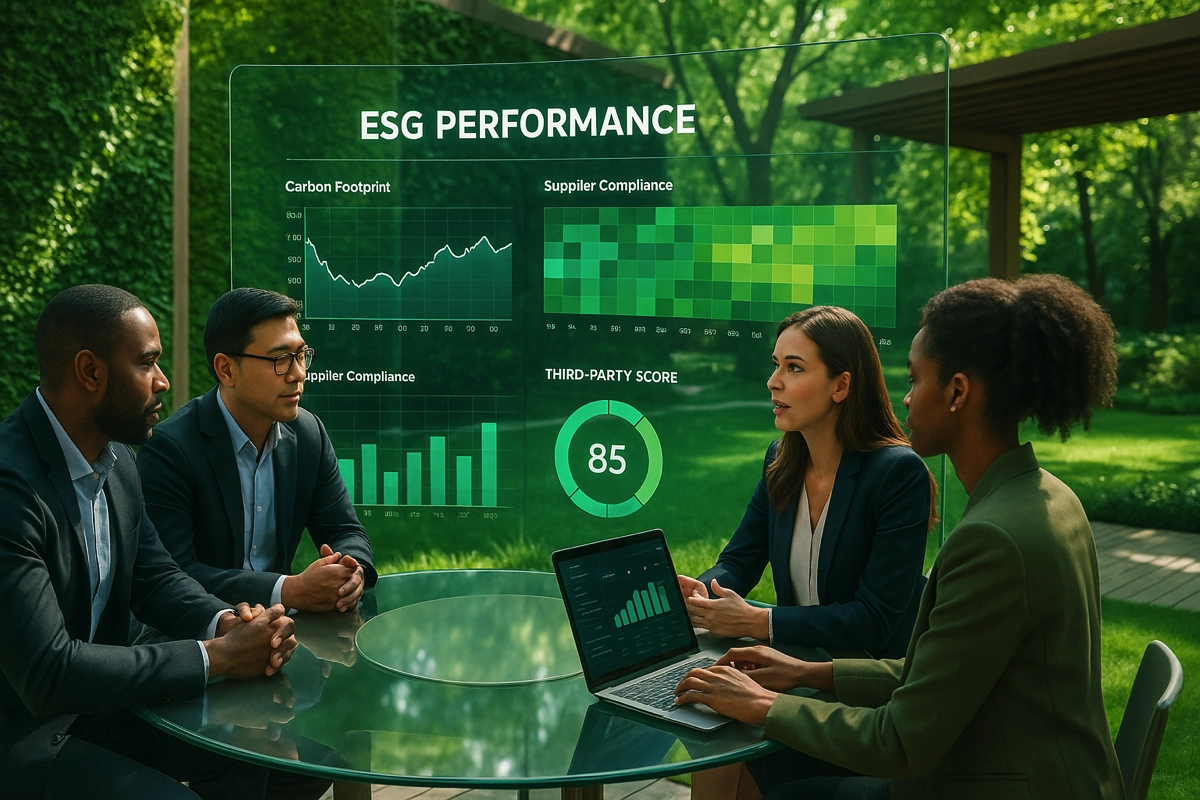
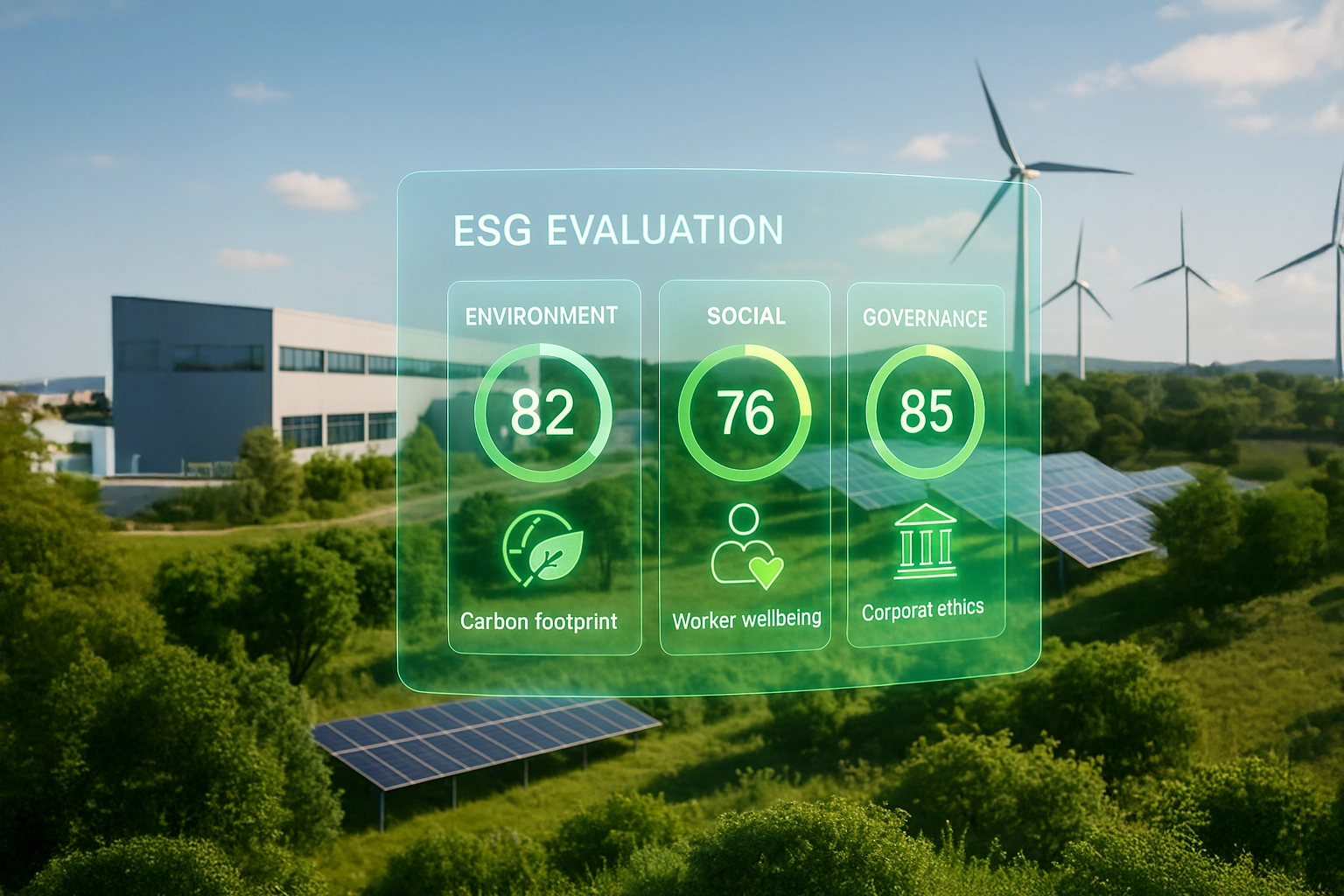
Breaking Down Silos: How TPRM Unifies Supplier Risk Evaluation
In today’s economy, dependence on third parties—suppliers, service providers, partners—is both a source of value and risk. Evaluating and managing these risks is no longer optional; it’s essential for security, compliance, and business continuity. Yet one major internal barrier continues to slow down these critical processes: organizational silos.
The Trap of Internal Silos
Third-Party Risk Management, or TPRM, is by nature a cross-functional responsibility. It no longer concerns just Procurement or IT. Today, it spans across domains like cybersecurity, ESG, regulatory compliance (DORA, NIS2, ISO 27001), and financial stability.
This is where silos become dangerous—they obscure reality:
- Poor Communication: Vital information about a supplier remains locked within departments. Finance, Legal, Procurement, Ethics, and ESG teams all need access to this data—but fluid communication is lacking.
- Multiple Inconsistent Repositories: Without a unified platform, data on the same third party is fragmented and contradictory. Suppliers often end up answering duplicate questionnaires and providing redundant documents, creating friction and increasing the risk of errors.
- Operational Slowdown: This fragmentation significantly delays workflows and burdens third-party evaluations. Each team has to “hunt down” the information manually.
TPRM: The Answer to Orchestration and Information Sharing
TPRM (Third-Party Risk Management) solutions provide a much-needed framework for centralization and collaboration.
A Single Source of Truth for All Stakeholders
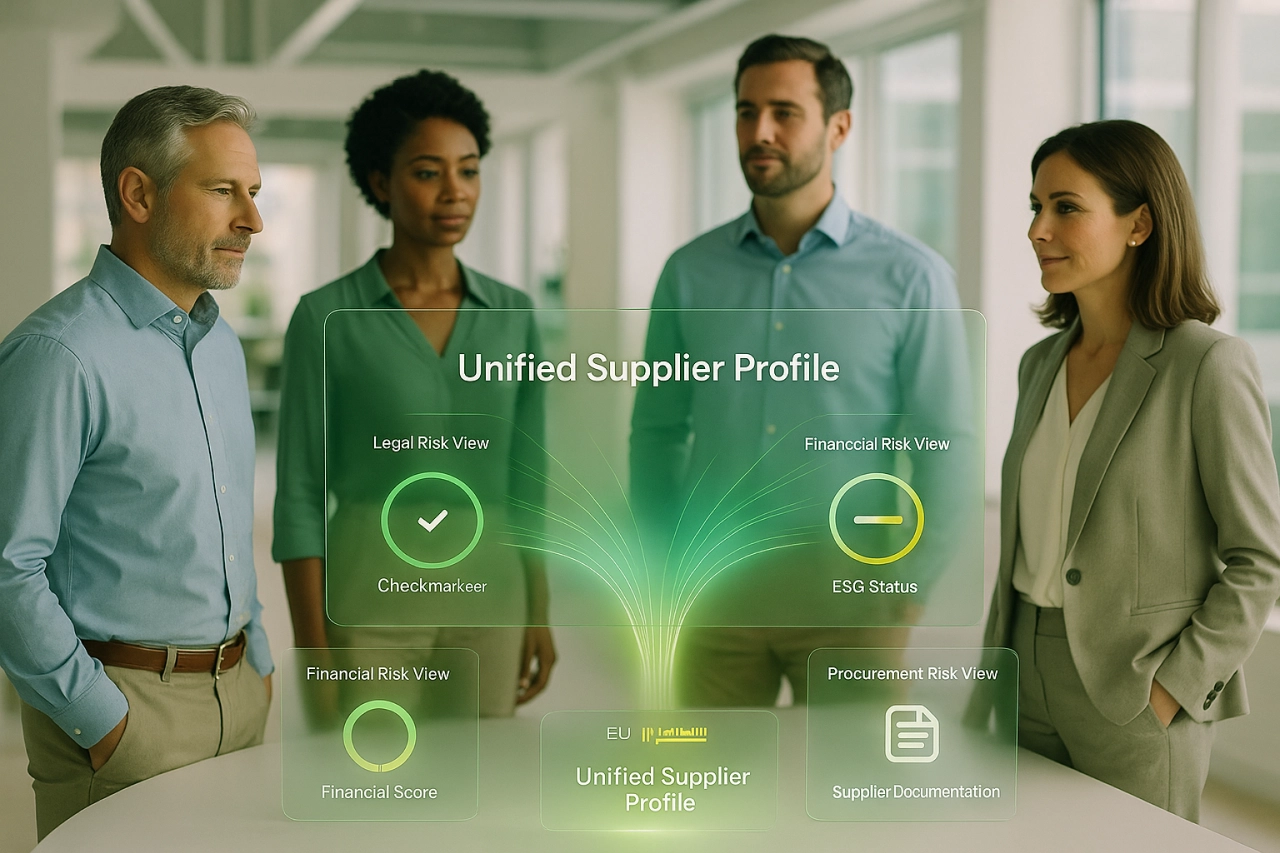
At the core of any TPRM solution is a single, centralized repository of third-party data. From the moment of onboarding, all documents, scores, and evaluations are stored in one place.
- All departments now work with the same consistent data regarding compliance status, risk profile, and due diligence measures.
- This eliminates data mismatches and prevents late-stage “surprises” in the third-party lifecycle.
Shared Information and Streamlined Evaluations
TPRM platforms allow teams to share information and evaluation results. If the ESG team has already validated a supplier’s environmental policy, that proof is instantly available and traceable by Legal or Procurement—no duplicate request needed.
This creates coordinated, orchestrated decision-making. Real-time dashboards provide a 360° view of supplier risk to key stakeholders (Procurement, Compliance, Management), replacing spreadsheets and untracked email chains.
Automation for Greater Efficiency
TPRM solutions automate repetitive processes:
Dynamic Questionnaires
Automated dispatch and tracking based on risk level and supplier type.
Continuous Monitoring
TPRM tools enable ongoing surveillance of supplier compliance and security posture, alerting stakeholders to any incident or critical change.
Integrated Workflows
Remediation tasks are assigned to the right people in the right departments—ensuring traceability and accountability throughout the process.
Shared Reporting and Visualization Tools
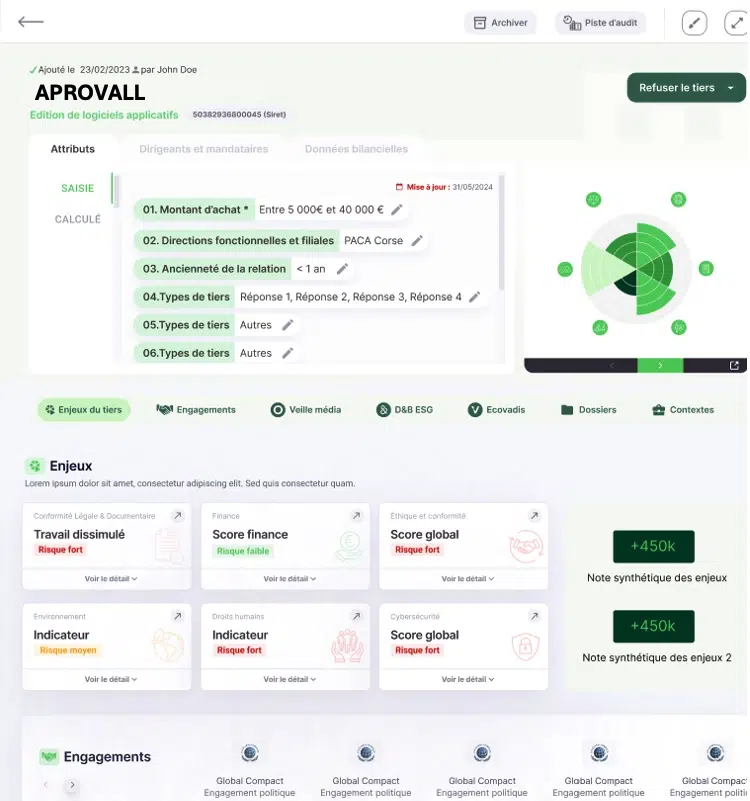
Breaking down silos relies on dashboards and reporting tools that make evaluations and risks visible and understandable. Custom access rights and personalized settings ensure that each team only sees the information relevant to their role.
In short
TPRM breaks silos by enabling shared evaluations, coordinated decisions, and unified supplier risk management—turning a fragmented process into a strategic asset.
Ready to strengthen your third-party risk management program?
-
 18 April 2025ESG Strategy for the Supply Chain: Assessment and Management MethodsSolutionsThe ESG strategy (Environment, Social, Governance) has become a fundamental pillar of corporate operational resilience. According to the 2025 Supply Chain ESG Risk Outlook by LRQA, over half of sourcing countries are now classified as high or extreme ESG risk, challenging the common perception that Western markets are inherently safer. This new reality demands a […]
Read more
-
 03 February 2025TPRM vs Traditional Risk Management: A Critical Comparison for Modern BusinessesSolutionsIn a market valued at $8.3 billion in 2024 and projected to reach $18.7 billion by 2030, third-party governance is becoming a strategic pillar for organizations. In response to the rapidly evolving business world, Third Party Risk Management (TPRM) is profoundly transforming traditional risk management practices. The traditional approach, focused on internal processes, is no longer sufficient […]
Read more
-
06 February 2025Effective Third-Party Governance: A Holistic Approach to Optimized Risk ManagementSolutionsIn a context where 38% of companies have experienced major disruptions due to third-party partners over the past three years, third-party governance is becoming a strategic imperative. This reality is even more critical as 90% of organizations now consider third-party risk management a growing priority. Effective third-party management relies on a holistic approach integrating six key areas of expertise: Legal […]
Read more
-
14 March 2025Integrating ESG Criteria into Supplier EvaluationSolutionsIntegrating environmental, social, and governance (ESG) criteria into the evaluation of third-party partners has become essential for companies seeking to strengthen their operational resilience and promote sustainable development. These criteria make it possible to analyze not only economic performance but also the environmental and social impact of business relationships. According to a recent McKinsey study, […]
Read more