Why Assessing Upstream Suppliers Is Essential

Upper-Tier Suppliers: The (Too Often) Overlooked Risk in Your Supply Chain
Modern procurement chains rely on a multitude of actors, each contributing to value creation—extraction, manufacturing, assembly… The final product is never the result of a single supplier but rather the outcome of an often international ecosystem.
Yet, most organizations still focus their efforts and assessments on first-tier suppliers. On the surface, it’s a logical approach: these are the most visible partners, the ones with direct contractual relationships (orders, invoicing, etc.).
But this linear view is no longer sufficient.
Hidden Vulnerabilities in the Invisible Links
All it takes is one weak link—even far upstream—to disrupt the entire production process. This is the well-known domino effect: feared but often poorly anticipated.
Cybersecurity risks, dependence on rare raw materials, non-compliance with environmental regulations or human rights… these threats can emerge far beyond your direct suppliers.
And they can heavily impact your production, reputation, and regulatory compliance.
Widening the Lens: A Strategic Imperative
Leading organizations are now making a shift: they no longer assess partners in silos. Instead, they orchestrate their evaluations by product, contract, or even the entire supply chain. This allows for a holistic view of the value chain, going beyond just the first tier.
This broader oversight enhances understanding of:
- the level of engagement of each player,
- the shared risks across different layers of the chain,
- and the distribution of responsibilities throughout the supplier ecosystem.
Where to Start? Best Practices to Implement
Here are some concrete ways to include upper-tier suppliers in your risk management processes:
- Identify critical supply chains: Map out sensitive flows (products, services, data). Prioritize where the stakes are highest.
- Set up indirect information collection: Survey your direct suppliers, use specialized databases, or conduct targeted audits.
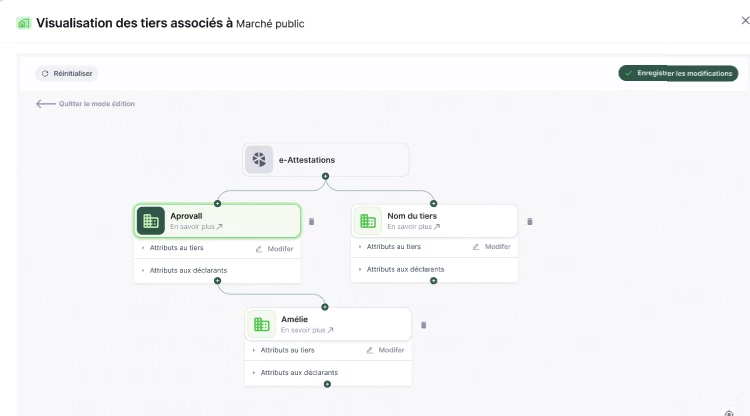
- Leverage modern TPRM tools: Some platforms let you visualize multi-tier dependencies and aggregate reliable third-party data.
- Include adapted contractual clauses: Make your direct suppliers accountable for their own subcontractors (monitoring, alerts, CSR commitments, etc.).
- Start progressively: For example, begin by asking your first-tier suppliers to identify key second-tier actors, while keeping business relations centralized at the top level.
- Define a tailored evaluation path based on tier and activity. Don’t forget to include your tier 1 supplier in upper-tier assessments to ensure knowledge sharing.
Immediate and Long-Term Benefits
By broadening your focus beyond your direct partners, you initiate a virtuous cycle:
- Greater resilience: anticipate supply disruptions, improve crisis response.
- Stronger compliance: better control over ESG, ethics, and legal requirements (duty of care, Sapin II law, etc.).
- Enhanced brand image: increased transparency and stronger credibility with clients, investors, and partners.
- More strategic oversight: move from reactive management to proactive, informed governance of your supply chain.
Value chains are no longer linear. They are systemic, interwoven, and sometimes opaque. That’s why extending evaluation beyond tier 1 is no longer optional—it’s a condition for long-term sustainability.
How about you ? How far up your supply chain do you really know your third parties?
With Aprovall360, gain a multi-tier view of your value chain, identify critical links, and strengthen your TPRM (Third Party Risk Management) strategy.
-
 30 June 2025Assess the ESG maturity of third-party partners to optimize your carbon footprintSolutionsAssessing the ESG maturity of your third-party partners directly impacts your sourcing strategy and the environmental footprint of your operations. Identifying the level of environmental commitment and compliance within your partner ecosystem is now a critical insight for any organization aiming to improve sustainable performance. However, collecting the necessary documents and data can be complex […]
Read more
-
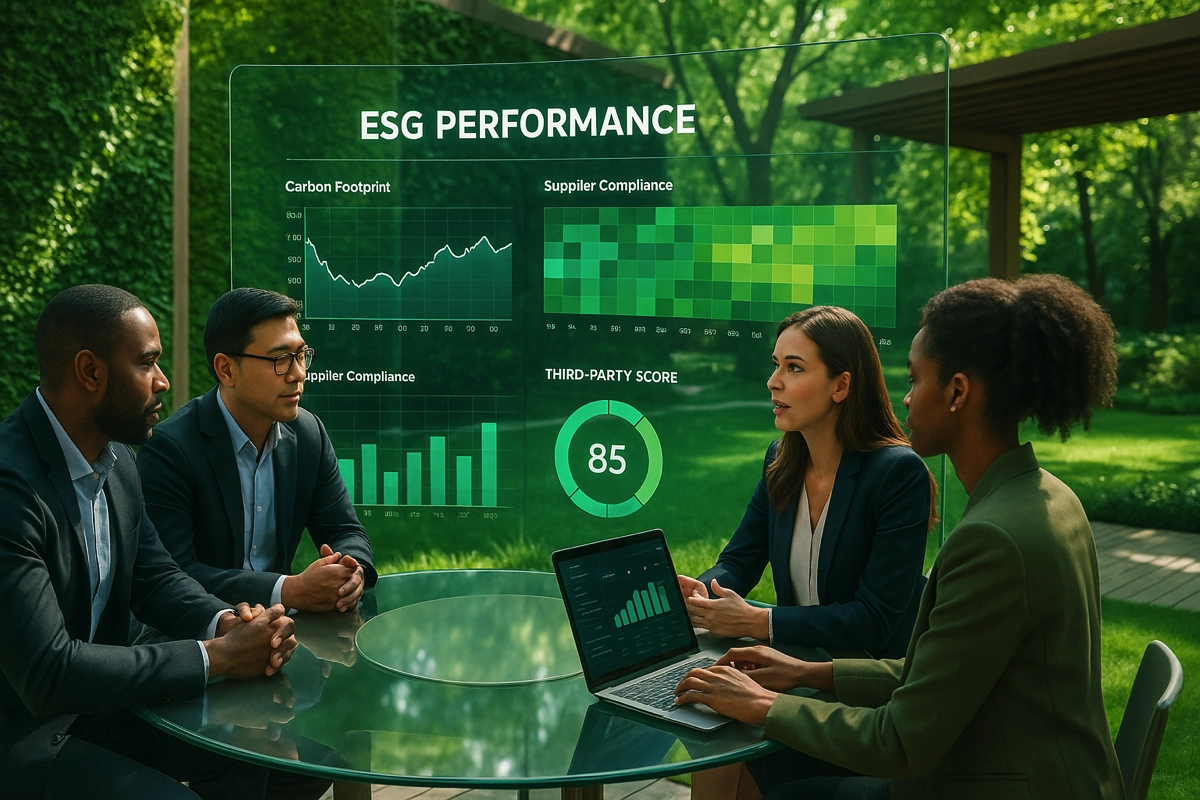 18 April 2025ESG Strategy for the Supply Chain: Assessment and Management MethodsSolutionsThe ESG strategy (Environment, Social, Governance) has become a fundamental pillar of corporate operational resilience. According to the 2025 Supply Chain ESG Risk Outlook by LRQA, over half of sourcing countries are now classified as high or extreme ESG risk, challenging the common perception that Western markets are inherently safer. This new reality demands a […]
Read more
-
 06 February 2025Effective Third-Party Governance: A Holistic Approach to Optimized Risk ManagementSolutionsIn a context where 38% of companies have experienced major disruptions due to third-party partners over the past three years, third-party governance is becoming a strategic imperative. This reality is even more critical as 90% of organizations now consider third-party risk management a growing priority. Effective third-party management relies on a holistic approach integrating six key areas of expertise: Legal […]
Read more
-
17 March 2025Understanding Third-Party Cybersecurity Maturity: Keys to Effective AssessmentSolutionsThird-party governance has become a major strategic issue in an economic context marked by the growing interdependence between companies and their external partners. According to Gartner, 45% of cyberattacks in 2025 will originate from third parties, highlighting the urgency of a structured evaluation approach. Operational resilience against these threats now requires a shift from simple […]
Read more