Integrating Information Systems into TPRM Platforms
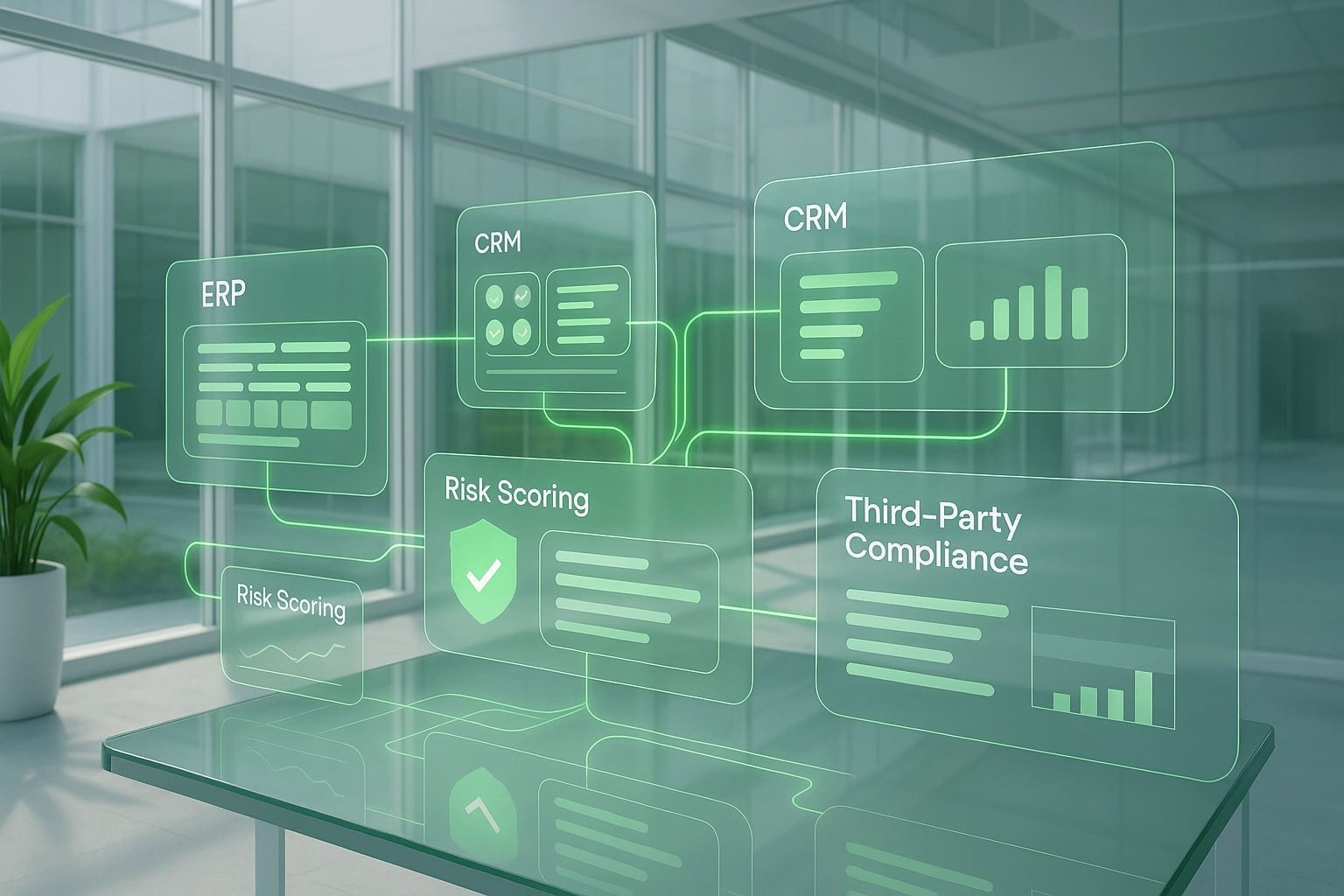
Integrating information systems into TPRM platforms has become a major strategic issue for organizations. A recent study reveals that 41% of companies experienced a serious third-party breach in the past 12 months, underlining the urgency to adopt robust third-party governance solutions. In this context, Third-Party Risk Management (TPRM)platforms are evolving to offer a more collaborative and integrated approach.
With over 73% of organizations having faced a significant disruption caused by a third party in the past three years, information systems integration is crucial to ensure effective operational resilience. This evolution addresses the needs of the 430,000 managed third parties in Europe, while ensuring data sovereignty through certifications like ISO 27001/27701.
Integrating information systems enables the automation of evaluation processes. This meets the growing market demand, where 90% of organizations see third-party risk management as a strategic priority, especially in public, construction, industrial, and retail sectors.
The Importance of Information Systems Integration
Organizations must enhance their ability to ensure seamless communication between systems. A recent study shows that highly composable businesses anticipate an average revenue growth of 7.7%, compared to just 3.4% for those with low integration. This substantial difference highlights the strategic value of integration.
In a landscape where 83% of companies see system integration as one of their top five priorities, the ability to centralize and harmonize data is vital. It optimizes operational processes related to third parties. For instance, the public sector managed to reduce supply chain disruptions by 30% through better integration.
Technical Integration Capacity
The efficiency of a TPRM platform relies on its ability to orchestrate different technologies. The market for integration services, valued at USD 416.46 billion in 2023, is projected to reach USD 721.59 billion by 2031, showing the rising importance of this technical dimension.
Three key technical pillars to consider:
- A robust API architecture for secure data exchange
- Certified cloud infrastructure to ensure data sovereignty
- Custom smart workflows to automate evaluations
UPS is a great example: by synchronizing its information systems, the company cut transportation costs by 10% and improved customer satisfaction. This proves how technical integration can simultaneously enhance operations and compliance. To fully exploit this potential, organizations should rely on specialized TPRM tools.
Discover how our Aprovall360 platform orchestrates all third-party evaluation dimensions.
TPRM Tools for Effective Governance
Adopting specialized tools has become essential for effective third-party governance. A recent study reveals that 45% of TPRM leaders consider technology investment a strategic priority. These solutions help orchestrate three core functions:
Collaborative Evaluation
The platform centralizes all evaluation processes within a unified environment that fosters collaboration. This approach significantly reduces “supplier fatigue” using smart questionnaires and a shared response library. Secure data sharing enables organizations to reduce evaluation time by up to 77%.
Continuous Monitoring
Modern platforms offer integrated messaging and collaboration spaces for direct exchanges between stakeholders. This allows quick clarification of issues and automatic archiving of communications for optimal follow-up.
Smart Workflows
Current solutions feature adaptive workflows tailored to industry specifics and partner profiles. This smart automation not only streamlines processes but also strengthens third-party engagement through personalized experiences.
Smoother Processes Through Integration
Information system integration is a major performance driver. A recent study shows that highly integrated companies expect 4.3 percentage points higher revenue growth than less integrated ones.
Three key advantages:
Data Centralization
Unifying data on a single platform eliminates silos and enhances decision-making. Organizations can reduce data collection and analysis time by 54%.
Process Automation
Integration can automate up to 70% of manual tasks related to third-party evaluation. This frees teams for higher-value tasks.
Operational Resilience
Synchronizing critical systems (ERP, CRM, GRC) enhances the ability to detect and respond to incidents. Some companies have cut operational costs by 10% while improving responsiveness.
Ready to transform your third-party governance?
Discover how Aprovall360 can enhance your operational resilience.
Benefits for Companies
Integrating information systems into a TPRM platform delivers major strategic benefits. A recent study found that 96% of organizations see a significant ROI from third-party management when both security and efficiency are optimized.
Enhanced IT Security
Statistics show early threat detection is crucial. In 2023, 61% of companies suffered a third-party data breach, a 49% increase from the previous year. A proactive approach is now essential. System integration enables:
- Automated anomaly detection through documentary AI
- Predictive risk scoring via smart workflows
- Continuous monitoring with real-time contextual alerts
The public sector clearly illustrates these gains: implementing integrated third-party governance has cut public procurement-related security incidents by 30%.
Increased Operational Efficiency
Process automation drives significant efficiency gains. Organizations using integrated solutions report a 40-50% reduction in operational effort versus manual processes. For large organizations managing over 1,000 suppliers, this can reach 70-90% with specialized platforms. Efficiency gains include:
- Data centralization cutting analysis time by 54%
- 70% automation of manual evaluation tasks
- Secure sector-specific information sharing
In the construction sector, systems integration sped up contractor certification by 40% while strengthening compliance.
Choosing and Implementing a TPRM Platform
Selecting a TPRM platform requires a rigorous assessment of organizational needs. A recent study reveals that 77% of companies now rely on specialized software to streamline third-party governance. Technical integration capability is key. Modern platforms should offer:
- Configurable questionnaires for collaborative evaluation
- Continuous monitoring with contextual alerts
- Custom smart workflows by sector
User interface and automation are also crucial. Companies using integrated tools report a 40-50% reduction in operational effort compared to manual processes.
Implementation Process
A successful rollout follows three phases. Companies adopting this model report a 33% reduction in third-party evaluation time.
Phase 1: Preparation
- Clear documentation of TPRM program objectives
- Involvement of key stakeholders (IT, compliance, legal)
- Definition of sector-specific evaluation criteria
Phase 2: Deployment
Gradual deployment improves adoption. The public sector saw a 30% reduction in implementation delays through sequential rollout.
Phase 3: Optimization
Continuous improvement relies on:
- User feedback analysis
- Sector-based workflow adjustments
- Ongoing knowledge base enrichment
Integrating information systems into TPRM platforms is now a strategic investment for organizations, ensuring lasting compliance in a constantly evolving regulatory environment.
Aprovall integrates with many industry-leading business solutions like ERP, CRM, and SRM systems. The goal is to embed Aprovall’s added value directly into the tools used daily by professionals.
Conclusion
Integrating information systems into TPRM platforms is a strategic lever for modern organizations. At Aprovall, this benefit extends to 430,000 managed third parties across Europe, turning third-party governance into a measurable competitive advantage.
Notable benefits by sector:
- Public sector: 30% reduction in public procurement incidents
- Construction: 40% faster contractor certification
- Industry: optimized supply chains with smart workflows
- Retail: secure marketplaces through collaborative evaluation
With dual ISO 27001/27701 certification and a shift toward EUCS certification, organizations gain sustainable operational resilience. Supported by documentary AI and customized workflows, organizations can reduce manual evaluation tasks by up to 70% while strengthening regulatory compliance.
In a world where 96% of organizations report strong ROI, integrating information systems is a key success factor in building resilient and long-term partnerships.
Start optimizing your third-party evaluation program today
-
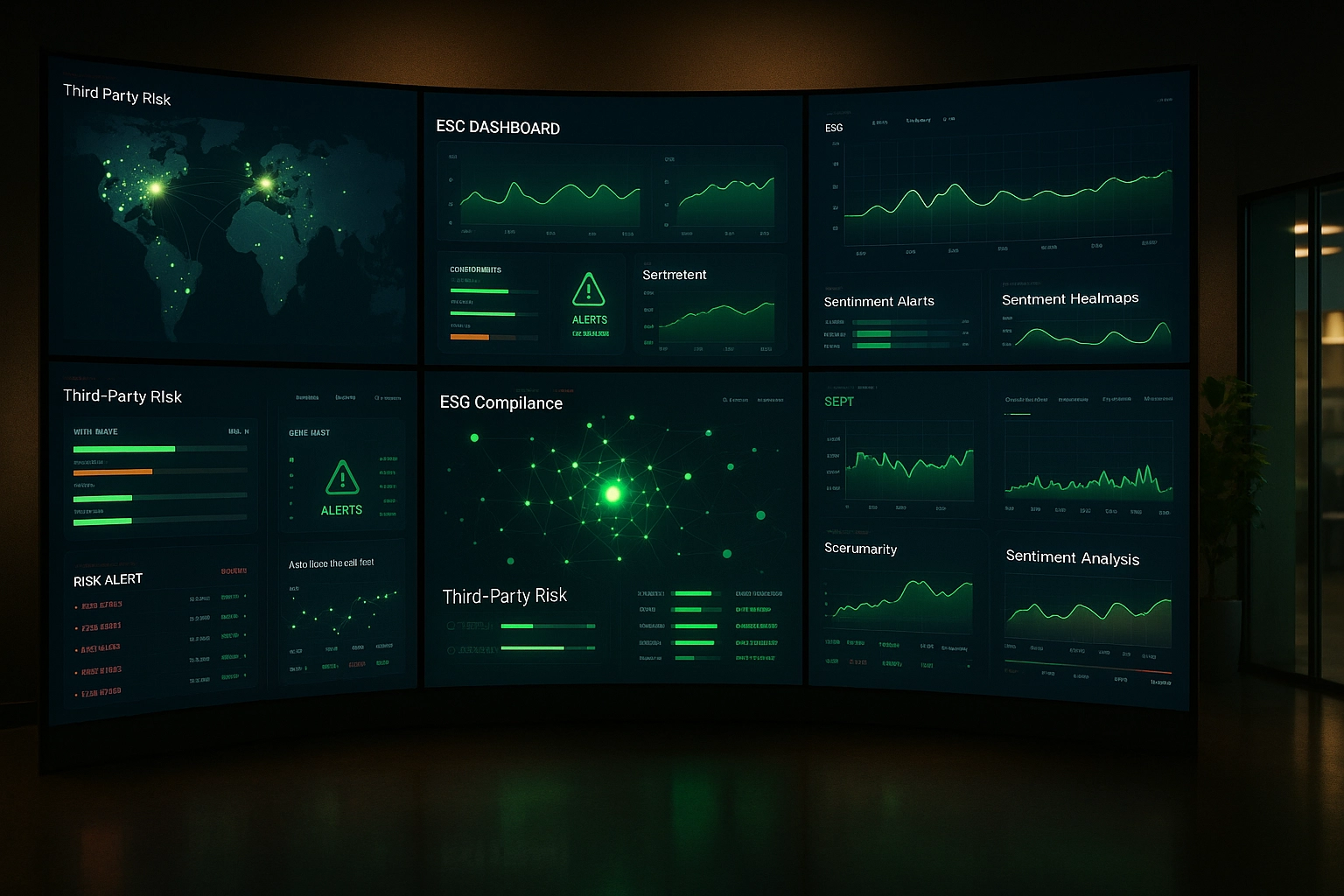 08 July 2025Why integrate media monitoring into your third-party evaluation?SolutionsWith the rapid acceleration of digital information and the proliferation of media sources, real-time monitoring of your third-party partners’ media presence has become a critical strategic issue. Media monitoring is now an essential part of collaborative evaluation processes for any analyst seeking a comprehensive view of third-party risk. Whether the information is positive or negative, […]
Read more
-
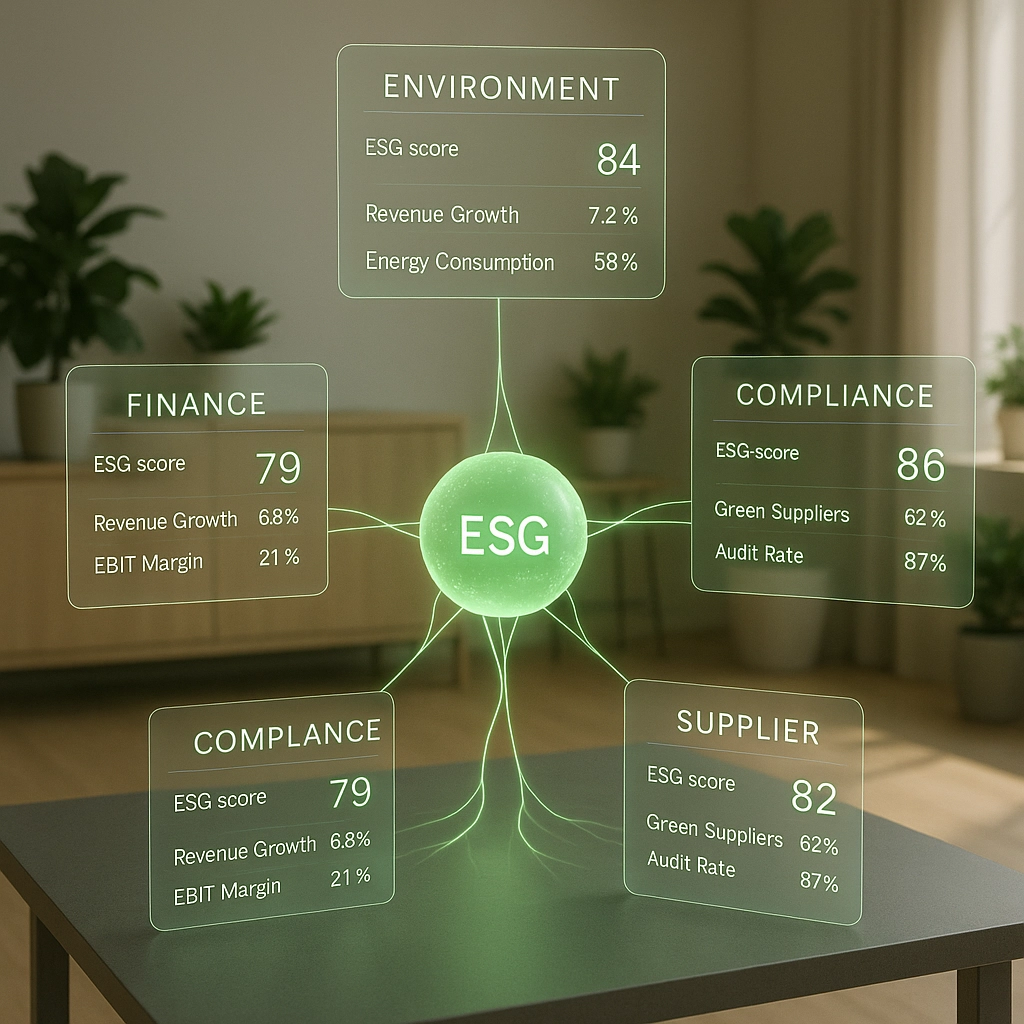 23 April 2025ESG Platforms: Centralized Data for Sustainable PerformanceSolutionsThe growing interest of investors and businesses in Environmental, Social, and Governance (ESG) criteria comes with significant challenges in assessing third-party partners. According to the DLA Piper report, ESG evaluation of external providers has become critical, particularly with the CS3D directive (Corporate Sustainability Due Diligence) coming into force on July 25, 2024. This directive requires […]
Read more
-
 19 January 2025Aprovall’s Strategic Challenges under CSRDSolutionsFor Aprovall, which supports over 430,000 third-party partners across Europe, operational resilience is a major strategic priority. A recent study reveals that 55% of companies subject to CSRD face difficulties in managing data quality and consistency. In response, Aprovall’s dual ISO 27001/27701 certification provides a robust framework for ESG data governance. In the social housing sector, sustainable performance requires an integrated value chain […]
Read more
-
 17 February 2025Supplier Due Diligence: A Key Pillar in Risk ManagementSolutionsSupplier due diligence has become a critical component of third-party governance in a context where nearly 50% of mergers fail due to inadequate partner assessment. This structured approach to collaborative evaluation enables organizations to build operational resilience while ensuring regulatory compliance. The due diligence process is based on a proven methodology of gathering and analyzing third-party information. It systematically covers six critical […]
Read more