Optimizing Productivity Through Automated Due Diligence
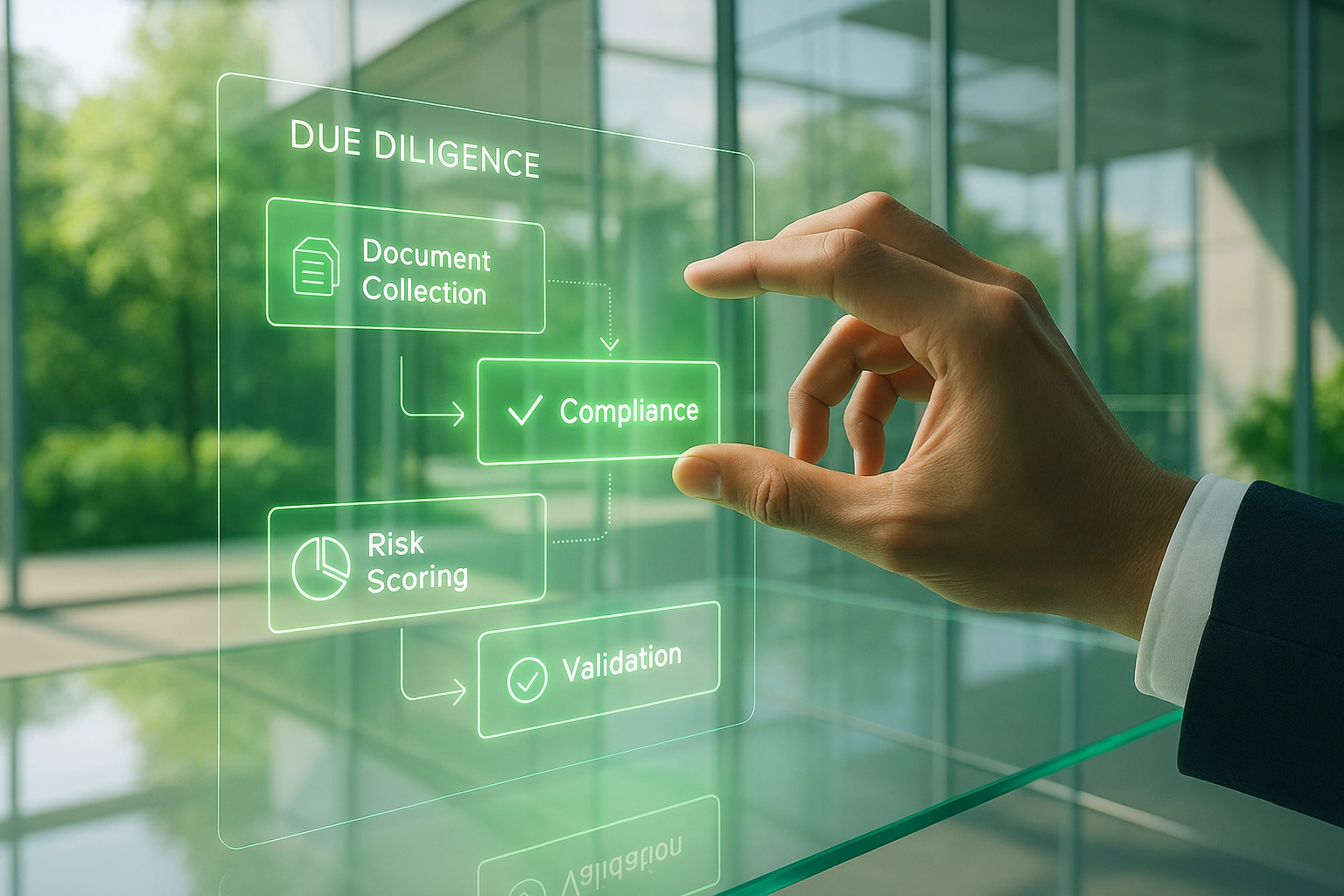
Amid increasing regulatory demands and the growing complexity of value chains, third-party governance has become a strategic imperative for European organizations. With over 430,000 third parties managed on its platform, Aprovall supports this transformation by combining regulatory expertise with technological innovation.
Automated due diligence is revolutionizing third-party evaluation by leveraging AI-powered predictive document analysis, sector-specific intelligent workflows, and real-time multi-source monitoring. This integrated approach addresses six critical compliance domains: cybersecurity, business ethics, environment, social, finance, and legal.
What Is Automated Due Diligence?
Automated due diligence transforms third-party evaluation through artificial intelligence and machine learning. This innovative approach allows companies to analyze vast volumes of data within hours—tasks that previously took weeks.
At the core of this technological shift are three key components:
- Predictive document analysis uses AI to automatically process and classify contracts, agreements, and compliance reports—cutting analysis time by up to 70% and minimizing human error.
- Sector-specific intelligent workflows adapt evaluations to industry needs. In the public sector, for example, they incorporate public procurement rules and GDPR compliance (see case study).
- Real-time multi-source monitoring ensures continuous oversight of third parties using over 60 global databases, enabling early detection of emerging risks.
Together, these tools provide a clear and precise view of transaction-related risks and opportunities.
What Productivity Gains Can Be Expected?
In today’s competitive landscape, automated due diligence is a major operational efficiency driver. Organizations aim to streamline processes while enhancing regulatory compliance.
Speed and Accuracy
The Aprovall360 platform combines AI and intelligent workflows to generate real-time, detailed reports. Automation not only accelerates processing but also improves accuracy through predictive document analysis. Multi-source monitoring ensures constant oversight via EU regulatory databases.
Cost Reduction
The mutualized pay-to-collect model disrupts traditional due diligence approaches. By automating third-party evaluations, organizations significantly reduce operating costs while benefiting from a shared knowledge base.
Assess your third-party governance maturity for free
Improving Third-Party Risk Management
Third-party governance is now a critical concern amid rising incident rates. In 2024, 62% of organizations experienced disruptions tied to supply chain cybersecurity—a 13% increase over the previous year.
Collaborative evaluation is the response to these new challenges. Our integrated approach combines:
- Predictive document analysis for proactive risk anticipation
- Real-time multi-source monitoring for early warning
- Sector-specific intelligent workflows for tailored assessments
This methodology addresses a concerning reality: 89% of organizations face unresolved third-party risk compliance issues.
More Comprehensive Risk Assessment
Predictive analytics strengthen early risk detection by processing millions of records and alerts in real time—identifying threats before they materialize.
Fraud Prevention and Cybersecurity
Cybersecurity and fraud threats are increasingly common. Automated due diligence helps identify vulnerabilities and prevent costly incidents. Systems can flag anomalies that signal potential fraudulent or malicious activity.
With 61% of companies experiencing third-party-related data breaches in 2024—a 49% increase from 2023—automated due diligence enhances anomaly detection and incident prevention.
Effective for Pay-to-Collect Models
The pay-to-collect model redefines due diligence by relying on shared data and assessments. Studies show that companies using automated due diligence solutions can process up to 80% more transactions while lowering operational costs.
Cash Flow Optimization
Automation accelerates document and payment processing. Companies can shorten invoice cycles from 14 days to just 1–2 days—avoiding costly late penalties.
Litigation Minimization
The integrated platform ensures full traceability of evaluations and reduces supplier clarification requests by up to 70%, thanks to increased transparency. Real-time visibility allows for early resolution of issues before they escalate.
Best Practices for Integration
Adopting an automated due diligence solution requires a structured approach to maximize impact. According to Gartner, 67% of organizations that succeed in digital transformation follow structured implementation methodologies.
Select the Right Tools
Tool selection should be based on three criteria: integration with existing systems, regulatory coverage by sector, and scalability. McKinsey reports that organizations prioritizing interoperability achieve 35% higher ROI on digital transformation projects.
Train Your Team
The success of a third-party governance system hinges on user adoption. A structured training plan should include:
- Remediation best practices
- Mastery of automated workflows
- Interpreting alerts and reports
The Future Impact of Automated Due Diligence
Automated due diligence is a transformative technology gaining momentum. In 2023, 80% of transactions already involved digital risk assessments.
Personalization and Intelligence
Advances in AI now allow automatic generation of up to 95% of due diligence reports, freeing human experts for strategic analysis. This shift also enables greater personalization through sector-specific intelligent workflows.
Technological Convergence
Emerging regulations like DORA and NIS 2 require multi-tech approaches. Organizations adopting these digital tools report up to 40% faster processing times and significantly improved analysis accuracy.
Learn how to automate your due diligence
Aprovall offers ready-to-use evaluation pathways validated across industries. These automated journeys streamline third-party engagement and provide high-performance scoring and reporting dashboards aligned with internal content systems—highlighting third-party engagement and ESG maturity levels.
-
 06 February 2025Effective Third-Party Governance: A Holistic Approach to Optimized Risk ManagementSolutionsIn a context where 38% of companies have experienced major disruptions due to third-party partners over the past three years, third-party governance is becoming a strategic imperative. This reality is even more critical as 90% of organizations now consider third-party risk management a growing priority. Effective third-party management relies on a holistic approach integrating six key areas of expertise: Legal […]
Read more
-
 17 March 2025Understanding Third-Party Cybersecurity Maturity: Keys to Effective AssessmentSolutionsThird-party governance has become a major strategic issue in an economic context marked by the growing interdependence between companies and their external partners. According to Gartner, 45% of cyberattacks in 2025 will originate from third parties, highlighting the urgency of a structured evaluation approach. Operational resilience against these threats now requires a shift from simple […]
Read more
-
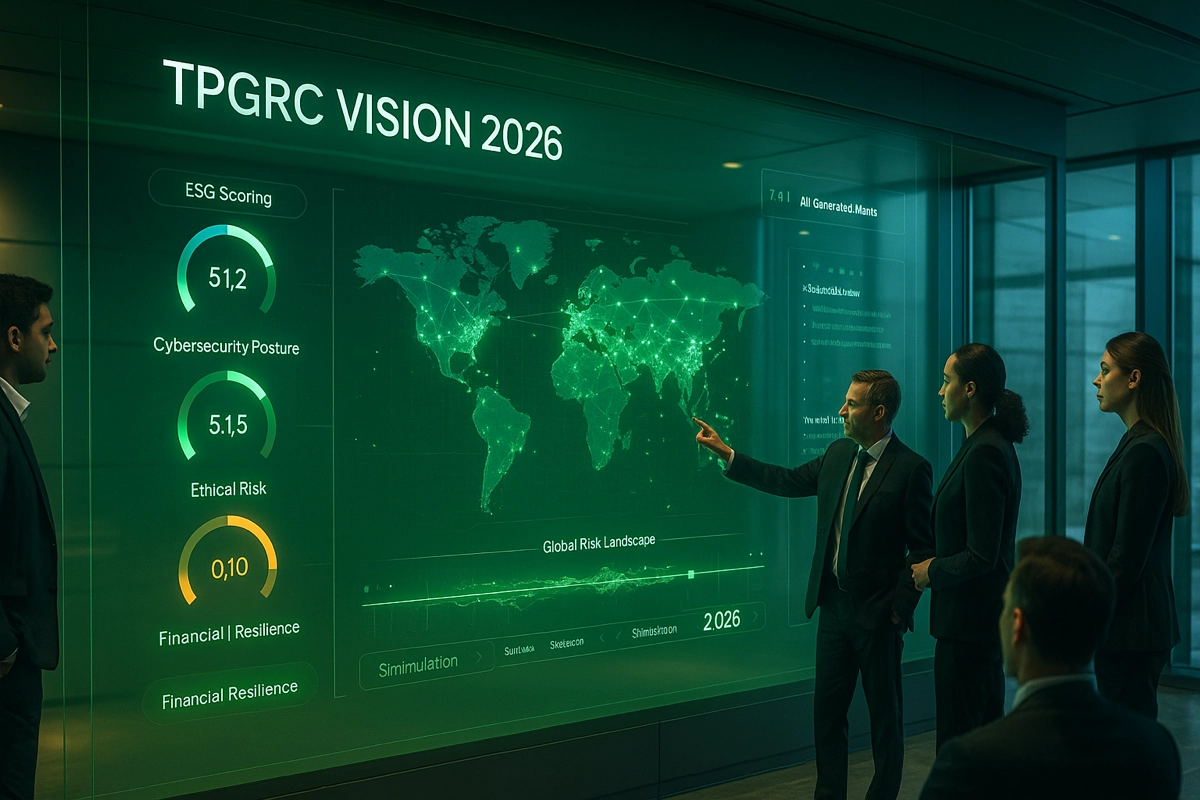 30 September 2025TPRM Visions 2026: Expanding the Evaluation Spectrum to Anticipate Emerging RisksSolutions2026: A Turning Point in Third-Party Evaluation Third-party management is undergoing a major transformation. Until now, companies have focused their evaluations on the most immediate risks: supplier financial stability, ethical compliance, and fraud prevention related to banking information. These areas remain critical. But by 2026, TPRM (Third Party Risk Management and Compliance) will broaden its scope to […]
Read more
-
 19 January 2026Hidden Supplier Risks: Why Procurement Leaders Still Underestimate ThemRisquesHidden supplier risks often sit in tier-2/3 networks. Learn the real cost of blind spots and how continuous monitoring reduces disruption exposure.
Read more