TPRM & Innovation: How Procurement Departments Are Becoming Catalysts for Product Performance

Innovation is no longer a luxury. For industries such as manufacturing, construction, luxury goods, or retail, it is a strategic necessity — essential for differentiation, regulatory compliance, and staying competitive in increasingly volatile markets. As products become more complex and development cycles accelerate, Procurement Departments are being called to the forefront. Their mission goes far beyond cost reduction. They are now agents of innovation, capable of shaping agile, diverse, and responsible supplier ecosystems.
To lead this transformation, they rely on advanced Third Party Risk Management (TPRM) solutions — true orchestration platforms for third-party relationships.
Innovation Requires Openness to New Partners Across All Industries
In manufacturing, innovation often means integrating advanced materials or emerging technologies. For example, an automaker aiming to launch zero-emission vehicles must collaborate with next-gen battery suppliers, embedded software developers, or lightweight component manufacturers. These are typically not part of the traditional supplier panel. Their onboarding requires rapid, in-depth assessment, amid tight regulations and heightened risks (supply disruptions, tech dependency, cybersecurity…).
In construction, the sector’s sustainability shift depends on low-carbon materials, circular economy models, or smart building tech. Procurement must source highly specialized, often young and innovative partners — and integrate them swiftly into live construction projects.
In the luxury industry, innovation plays out on two levels: creative design (new materials, new customer experiences) and traceability (ethical sourcing, responsible manufacturing). Sourcing a traceable plant-based leather supplier or a small business capable of producing recyclable premium packaging requires both creativity and rigor. Procurement must balance innovation with risk control.
In retail, product and merchandising innovation depends on suppliers that deliver speed, customization, and social responsibility. Collaborating with new manufacturers or labs to co-develop private label brands involves managing validation cycles, certifications, and post-integration performance with care.
TPRM: A Strategic Tool to Secure and Accelerate Innovation
Modern TPRM solutions are far more than supplier risk checklists. They are comprehensive platforms for managing third-party relationships, offering:
- Initial assessments based on business, regulatory, or ESG criteria
- Automated collection and verification of key documents
- Customizable onboarding workflows
- Continuous monitoring of performance and risk
Take, for example, a construction company looking to onboard a low-carbon concrete supplier for a public project. With TPRM, it can:
- Qualify the supplier against environmental standards
- Verify legal and tax compliance documents
- Evaluate operational capacity for on-time delivery
- Coordinate a multi-stakeholder validation process in a structured and documented way
The result: faster project progress, with greater control.
Supporting Sustainable Innovation Aligned with Industry Needs
Innovation doesn’t stop at product launch. It also means ensuring that the product can be produced, delivered, maintained, and improved over time. In every industry — manufacturing, construction, luxury, or retail — the long-term success of innovation depends on a strong, transparent supplier network.
TPRM — or more broadly, TPGRC (Third Party Governance, Risk & Compliance) — enables long-term relationship management: commitments fulfilled, ESG metrics tracked, alerts raised in case of deviation, collaborative management of improvement plans.
In luxury, this might mean tracking the origin of rare raw materials. In retail, continuously monitoring ethical practices of partners in Asia. In manufacturing, ensuring quality certifications across outsourced production lines.
Procurement as a Driver of Business Performance and Impact
The true revolution of TPRM lies in a change of mindset: from risk controller to innovation orchestrator. This shift positions Procurement as an essential business partner, not just a gatekeeper.
By adopting robust, interconnected, and industry-specific TPRM tools, companies gain agility, security, and transparency. They can build stronger, faster, and more value-generating partnerships.
Make the shift to proactive risk management — starting today!
With Aprovall360, access a powerful and intuitive solution tailored to the demands of highly regulated industries. Stop reacting to risks — anticipate them, measure them, and take control with confidence.
-
 02 May 2025Third-Party Cybersecurity Assessment: NIS 2 and DORA ComplianceSecteurEuropean companies are facing a major regulatory challenge with the simultaneous implementation of NIS 2 and DORA. These two regulations are radically transforming approaches to cybersecurity and operational resilience, particularly in critical and financial sectors. This convergence requires in-depth multi-regulatory expertise to navigate between specific sectoral obligations and operational synergies. Understanding NIS 2 and DORA […]
Read more
-
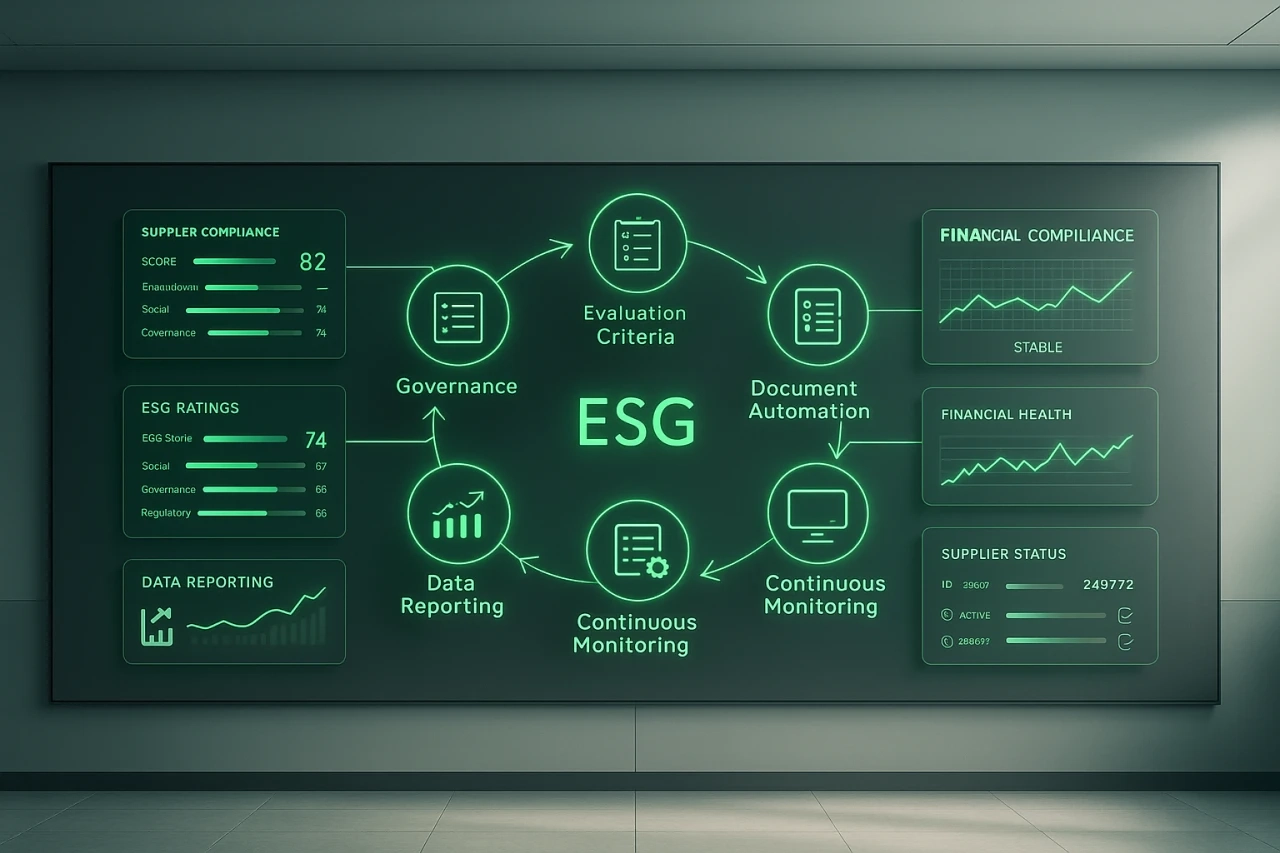 02 June 2025The 6 Pillars of an Effective Supplier Evaluation SolutionSecteurAccording to a 2025 Accenture study, 63% of companies are undergoing transformation. As a result, CIOs, procurement managers, and compliance officers are rethinking their approach to third-party governance. In both public and industrial sectors, it is no longer just about collecting administrative documents, but about structuring supplier relationship management to sustainably strengthen operational resilience. Adopting a collaborative evaluation solution based […]
Read more
-
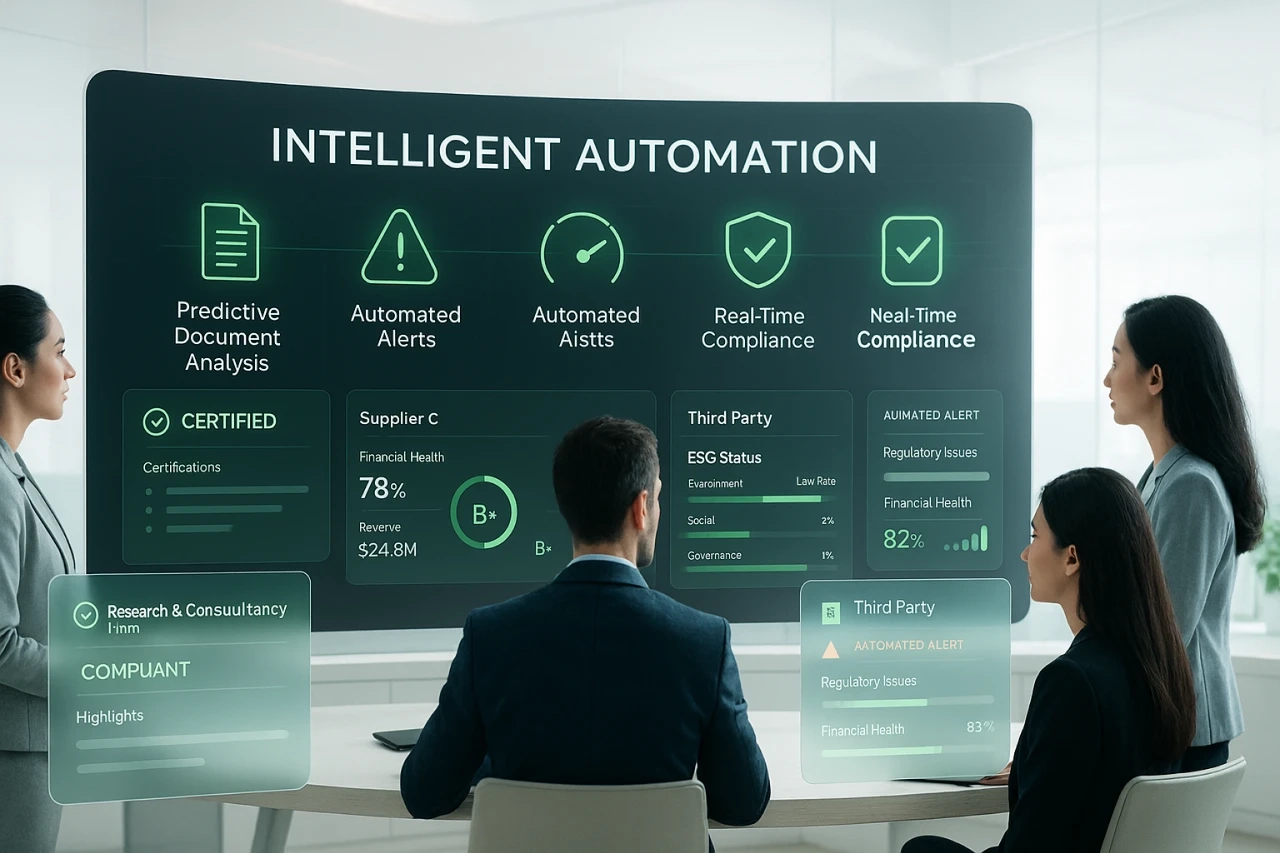 05 June 2025Automated Evaluation Solutions: How to Streamline Without Sacrificing QualitySecteurAutomating evaluations is becoming an essential step for organizations looking to strengthen their third-party governance. IT decision-makers, especially in construction, industry, and the public sector, are seeking to combine efficiency and time savings with uncompromising quality assurance. Given concerns around the reliability of automation tools and the need for consistent performance, it’s crucial to debunk myths with recent advances in AI and intelligent […]
Read more
-
 09 June 2025Optimizing ESG Evaluation Tools: Enhance Your Supplier ProcessesSecteurFaced with increasing regulatory pressure and the rise of sustainable transformation, organizations must rethink their third-party governance. Integrating ESG criteria into third-party evaluation tools has become a critical lever to meet regulatory requirements and the growing expectations of stakeholders. Even with the temporary suspension of CS3D, many companies now view supplier ESG commitment as a key risk factor […]
Read more