How TPRM and TPGRC Solutions Are Transforming the Retail and Distribution Sector in 2025
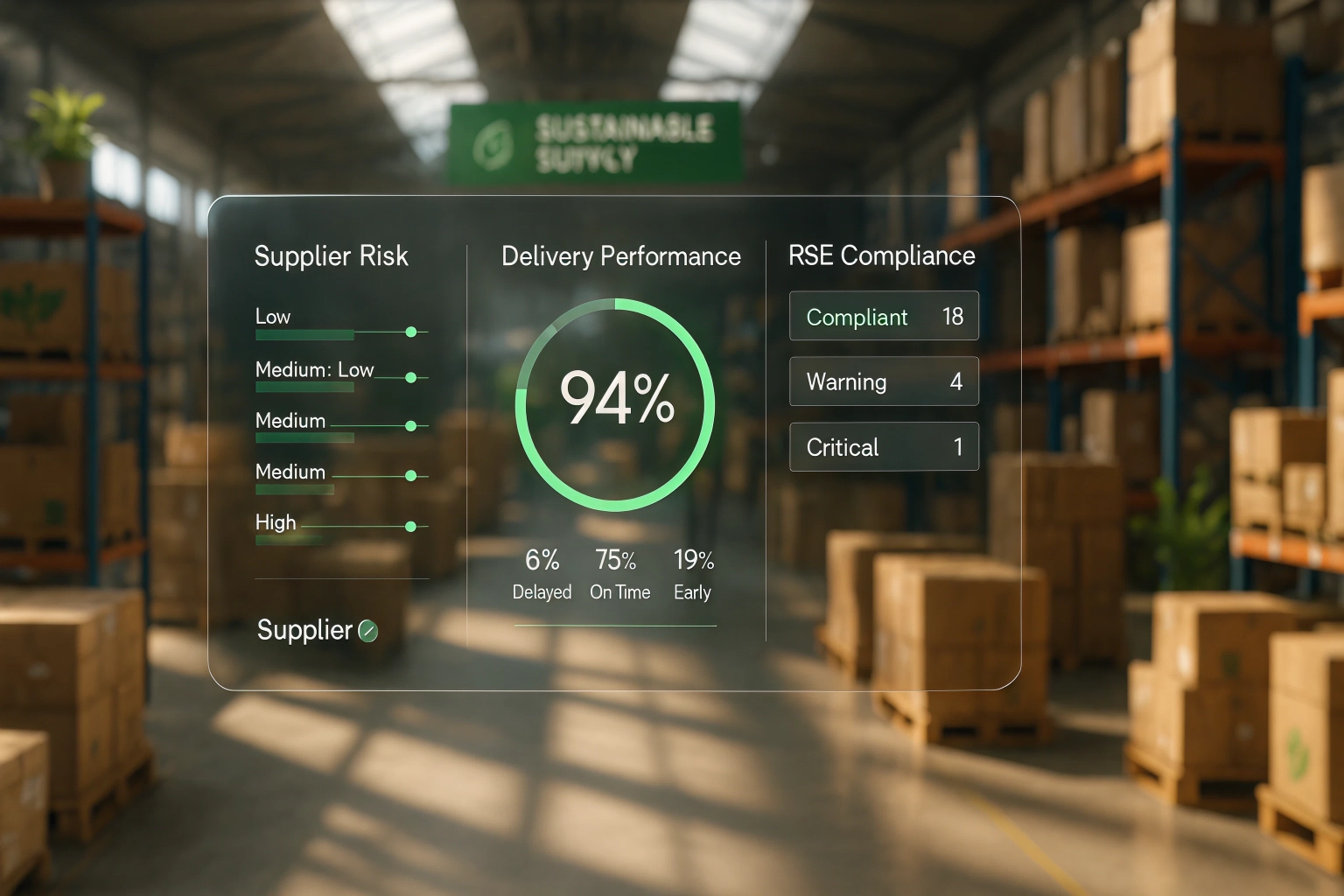
The retail and distribution sector plays a crucial role in the French economy, orchestrating a vast network of subcontractors and suppliers. These stakeholders contribute to both supply chain management and the final customer experience. Among them, installers and delivery partners represent critical links in the value chain. However, this sector faces major challenges: ensuring subcontractor compliance, anticipating financial risks, and strengthening CSR commitments.
In 2025, Third-Party Risk Management (TPRM) and Third-Party Governance & Risk Compliance (TPGRC) solutions address these issues by delivering unprecedented digital and operational transformation. These tools not only simplify processes but also improve the reliability and sustainability of operations.
A Supplier Relationship in Full Transformation
Distributors face high volumes of document checks, such as insurance certificates and certifications. This process, often manual, is tedious and error-prone. Today, technological advances simplify these tasks thanks to platforms like Aprovall360, which break down silos and improve internal collaboration.
These tools also allow continuous evaluation of subcontractors directly interacting with end customers, such as delivery drivers or installers. Their impact on the customer experience is critical: poorly executed services can damage a retailer’s reputation. TPRM solutions establish precise and regular assessments, contributing to continuous service improvement.
Given the fierce competition from online services, these subcontracted services often make the difference — and directly influence customer loyalty.
Process Automation Through Artificial Intelligence
Artificial intelligence (AI) is a strategic lever for the retail sector. It automates the verification and analysis of subcontractor documents, such as insurance certificates, financial statements, or certifications. In just seconds, a TPRM platform can compare data, detect anomalies, and automatically validate subcontractor compliance.
For example, AI-based solutions analyze hundreds of documents and issue alerts in cases of non-compliance. When issues arise, predefined workflows are triggered to request additional information or temporarily suspend collaboration with the subcontractor. This automation not only reduces processing time but also limits human error, offering greater traceability and reliability.
Furthermore, AI integration frees teams from repetitive tasks, allowing them to focus on higher-value activities such as strategic analysis or supplier relationship management.
Securing the Supply Chain
Managing just-in-time flows is a central issue in the retail sector. Stock shortages or delivery delays can have disastrous consequences for both commercial performance and customer experience. TPRM solutions offer enhanced visibility across the entire supply chain, allowing risks to be anticipated and proactive measures to be taken.
A key focus is the evaluation of carriers, who play a critical role in logistics management. TPRM platforms enable real-time monitoring of their reliability, detecting potential weaknesses that could compromise deliveries. By integrating these tools, companies can also identify alternative solutions in case of problems, reducing disruptions to operations.
In addition, centralized management tools help eliminate silos between departments. This approach fosters better collaboration, allowing distributors to share critical information in real time and optimize decision-making.
Detecting Cyberattacks from Subcontractors
Ranked as the second most critical issue for 2025 according to an AgileBuyer survey of Procurement Departments, subcontractor-related cyber risks can cause severe distribution chain disruptions. In such a highly competitive sector, ensuring strong cybersecurity among subcontractors has become indispensable.
To address this need, third-party assessment solutions now integrate dedicated cybersecurity scores and indicators. Built into business processes, they automatically trigger alerts and corrective actions when anomalies are detected.
Regulatory Compliance and CSR Evaluation
French companies are subject to growing compliance and CSR requirements, which demand rigorous third-party checks to prevent corruption risks and ensure responsible governance. TPGRC solutions provide tailored tools to collect, analyze, and centralize the data required for these processes.
Additionally, managing CSR impact is becoming a top priority for distributors. Consumers increasingly expect products and services aligned with ecological and social goals. TPGRC platforms enable assessment of supplier and product CSR impact, making it easier to implement sustainable strategies. For example, they can analyze a carrier’s carbon emissions or verify a supplier’s commitment to human rights.
By strengthening CSR commitments, distributors not only enhance brand image but also reduce regulatory risks and actively contribute to ecological transition.
Anticipating Financial Risks
Preventing financial risks is essential to ensure business continuity. According to an AgileBuyer study, managing subcontractor financial failures is a top priority for procurement departments in 2025. TPRM solutions provide real-time monitoring tools to detect early warning signs of financial distress, such as revenue decline or delayed payments.
Download the AgileBuyer Study
-
 02 May 2025Third-Party Cybersecurity Assessment: NIS 2 and DORA ComplianceSecteurEuropean companies are facing a major regulatory challenge with the simultaneous implementation of NIS 2 and DORA. These two regulations are radically transforming approaches to cybersecurity and operational resilience, particularly in critical and financial sectors. This convergence requires in-depth multi-regulatory expertise to navigate between specific sectoral obligations and operational synergies. Understanding NIS 2 and DORA […]
Read more
-
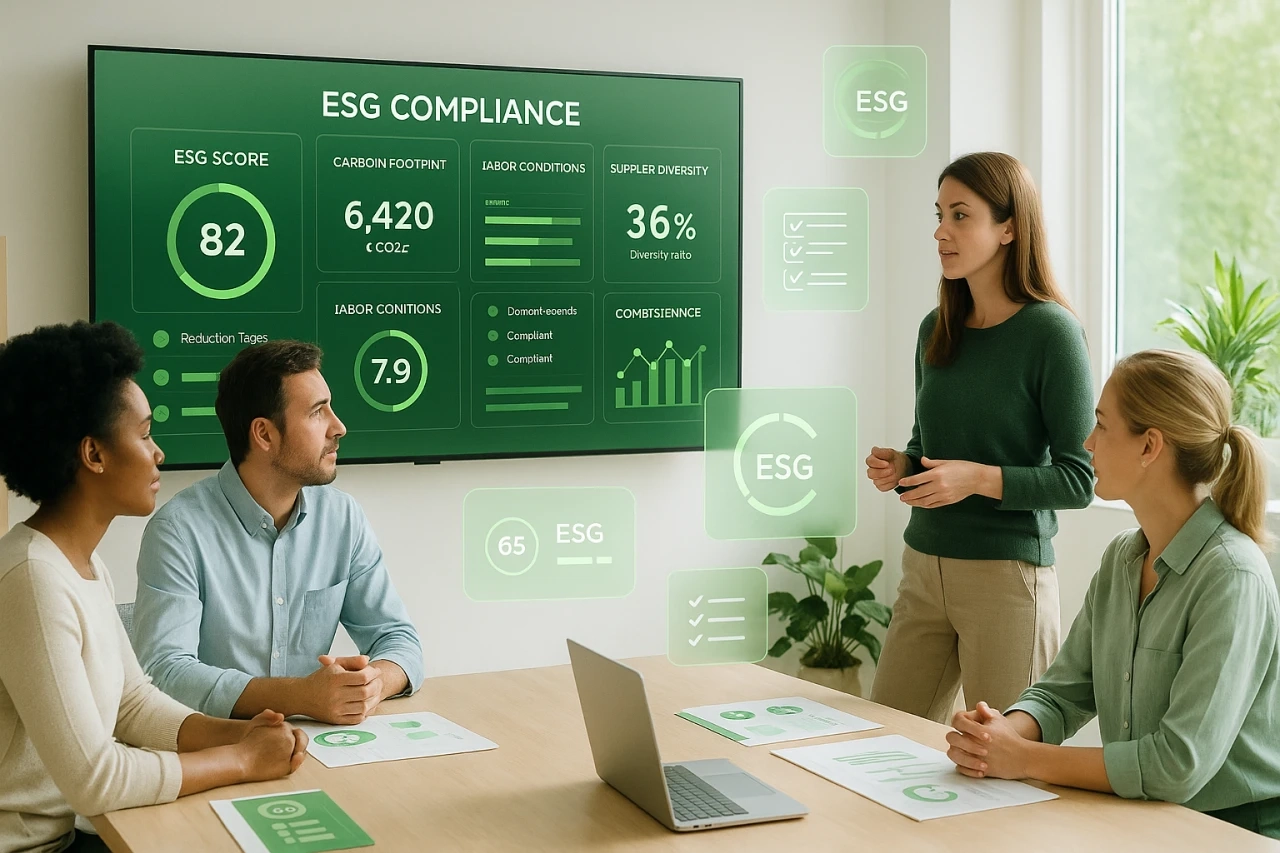 09 June 2025Optimizing ESG Evaluation Tools: Enhance Your Supplier ProcessesSecteurFaced with increasing regulatory pressure and the rise of sustainable transformation, organizations must rethink their third-party governance. Integrating ESG criteria into third-party evaluation tools has become a critical lever to meet regulatory requirements and the growing expectations of stakeholders. Even with the temporary suspension of CS3D, many companies now view supplier ESG commitment as a key risk factor […]
Read more
-
 14 June 2025Supplier Evaluation Journey: Optimizing Multi-Regulatory Data CollectionSecteurThe complexity of third-party evaluation is intensifying as regulatory requirements multiply. This reality calls for a reform of internal processes and the adoption of collaborative workflows that are essential to ensure compliance while strengthening operational resilience. Optimizing the evaluation journey involves a structured methodology that streamlines document collection, improves supplier quality, and significantly reduces “supplier fatigue.” This context calls for a […]
Read more
-
 28 January 2025Third-Party Cybersecurity Benchmark: Assessing and Securing Your Supply Chain in 2025SecteurThird-party cybersecurity has become a major strategic concern for organizations in 2025. According to AgileBuyer, 65% of procurement departments consider supplier failures a critical risk, while 42% list cyberattacks as their second most pressing concern. This challenge is especially acute in certain sectors: 88% of heavy industries anticipate major supplier-related risks, and 68% of IT/Telecom companies […]
Read more