Choosing Your TPRM Platform: A Guide to Efficient Third-Party Risk Management
Third-party risk management (TPRM) has become a major strategic issue for European companies. With the TPRM market valued at USD 6.1 billion in 2023 and projected to reach USD 18.7 billion by 2030, adopting a TPRM platform is essential for navigating today’s complex regulatory landscape. But how do you choose the right TPRM platform tailored to your organization’s specific needs?
What Are TPRM Platforms?
TPRM platforms centralize the evaluation and monitoring of external partners by automating due diligence and compliance processes. These solutions enable a progressive transition toward TPGRC (Third Party Governance & Risk Compliance), a more integrated approach to third-party risk management that is gaining traction among executives.
The growing adoption of these tools reflects a clear need to address key challenges: regulatory compliance, cyber risk assessment, and sector-specific risk management. In the public sector, for instance, these platforms support the implementation of the SPASER (Public Service Scheme for Socially and Environmentally Responsible Procurement), helping local authorities improve transparency and streamline supplier evaluations.
Key Benefits of TPRM Platforms
These tech solutions leverage artificial intelligence and real-time monitoring to quickly detect anomalies. They also automatically document interactions to ensure compliance with legal and industry-specific requirements, significantly reducing non-compliance risks.
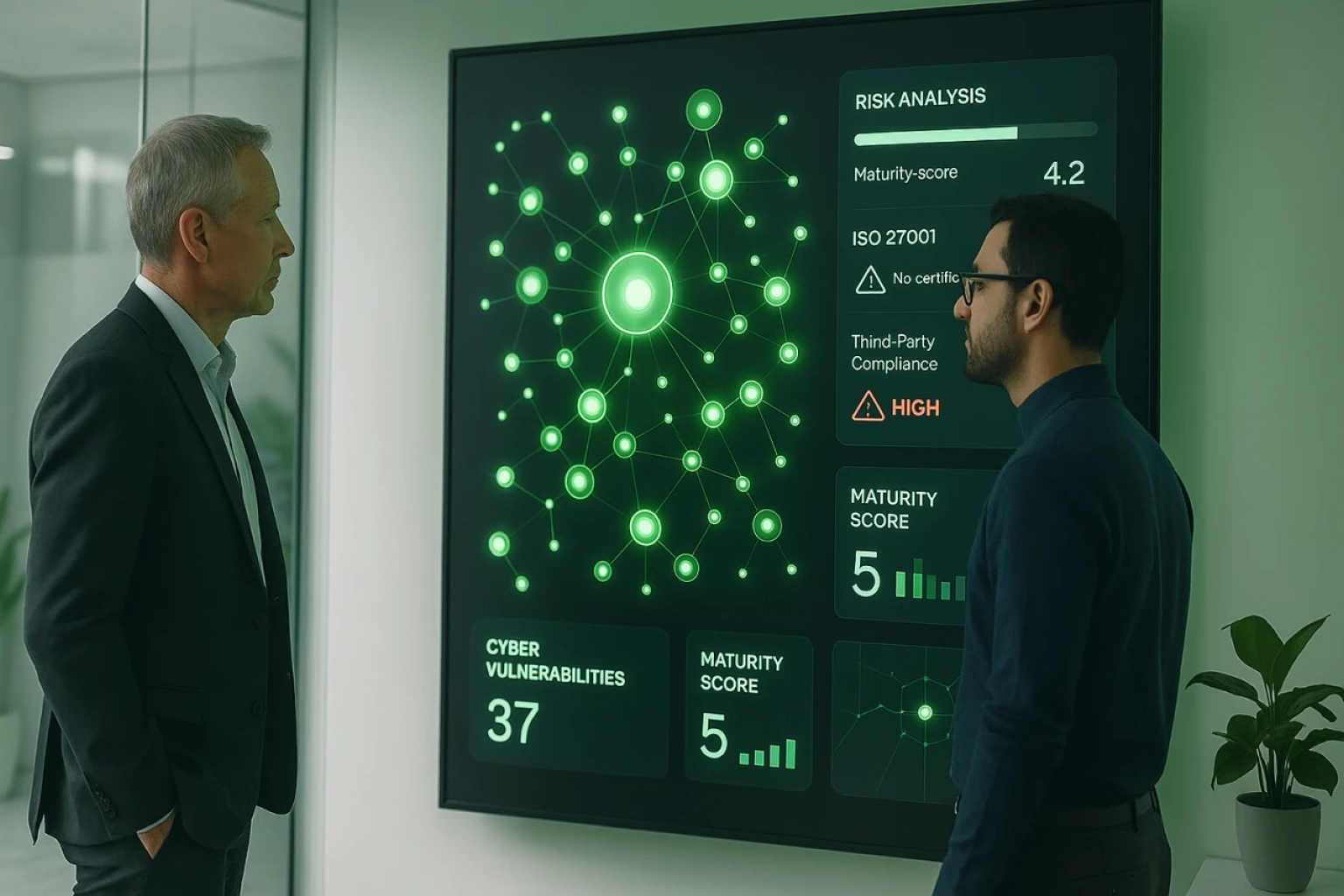
As global supply chains expand, centralized visibility over third-party operations is critical. TPRM platforms consolidate all critical data into an integrated dashboard, enhancing strategic decision-making. According to Owlin, 60% of organizations will invest in such tools by 2025, up from 35% in 2022, confirming their essential role in effective third-party governance.
Map risks, manage third parties: the winning combination of TPRM
Discover how combining risk mapping with TPRM can transform your third-party evaluation process.
Essential Criteria for Choosing a TPRM Platform
Selecting the right TPRM platform for your organization requires a deep understanding of your strategic goals and industry-specific needs. With a market growing at 15% annually, the selection criteria have evolved to meet European regulatory requirements and third-party governance challenges.
Due Diligence and Risk Assessment
An effective platform must offer a robust due diligence mechanism to quickly identify risks associated with each partner. This assessment capability should analyze multiple data sources to provide reliable insights into the financial, legal, and operational strength of third-party vendors.
Risk evaluation now goes beyond traditional financial metrics. Modern platforms also include cybersecurity maturity, environmental compliance, and ESG criteria. In the industrial sector, for instance, evaluations should cover ICPE compliance (Installations Classified for Environmental Protection), which is especially important for regulated industrial sites.
This approach allows for proactive risk detection and builds trust with partners through enhanced transparency. Smooth integration with your existing infrastructure ensures continuity of daily operations while boosting productivity through automated due diligence.
Automation and IT System Integration
The level of automation offered is a key factor in platform selection. Advanced solutions should automate repetitive tasks such as data collection, report generation, and continuous monitoring—freeing up teams for more strategic activities.
Integration with information systems is essential for secure, continuous data sharing across departments. A well-integrated system promotes interdepartmental collaboration, reduces data silos, and improves decision-making based on accurate data.
The construction sector is a clear example where integration is critical to managing multi-tier subcontractors. TPRM platforms must connect with existing project management tools to ensure real-time tracking of certifications and qualifications on-site.
Compliance and Reporting
Regulatory compliance is a major concern, especially with DORA and NIS 2 coming into effect in January 2025. Platforms must meet the compliance standards specific to your sector, protecting your company from potentially costly sanctions. The more adaptable the solution is to evolving regulations, the greater its added value.
Automated reporting simplifies compliance tasks while ensuring that all activities are conducted within the required legal frameworks. For public sector entities, transparency requirements demand detailed reporting on supplier evaluations—particularly under SPASER, where social and environmental criteria traceability is mandatory.
The ability to customize reporting functionalities is crucial for adapting to sector-specific needs and evolving norms. Learn how TPRM and TPGRC challenges are reshaping modern reporting requirements.
DORA, NIS 2… Are you truly ready?
Facing new DORA and NIS 2 requirements? Evaluate your third-party risk management maturity now with our free flash diagnostic.
Ease of Use and Customer Support
Choosing an intuitive platform ensures rapid adoption by your teams, minimizing training time and cost. User-friendly interfaces encourage seamless onboarding—a critical factor for a successful TPRM program.
Customer support deserves special attention. Choose a provider offering accessible, responsive technical support to avoid service interruptions that could impact business continuity. User feedback shows that post-onboarding support quality directly affects operational efficiency.
In the distribution sector—where partner volumes can reach thousands—ease of use is critical for managing international marketplaces and their specific compliance demands. Ongoing team training and personalized onboarding support are key differentiators for maximizing platform use.
Optimizing Third-Party Risk Management
Successfully adopting a TPRM platform goes beyond choosing the right tool. It requires a strategic, integrated approach that transforms current processes and strengthens your organization’s operational resilience. This transformation rests on three pillars essential for a robust third-party governance program.
Integration Planning
Integration planning is a decisive step for the effectiveness of your future TPRM platform. This phase involves a thorough analysis of your current value chain workflows to identify where and how technology will add the most value.
Stakeholder engagement during this early stage improves organizational buy-in and aligns everyone’s objectives. In the public sector, for example, local authorities that succeed in TPRM adoption involve procurement, legal, and finance teams early on to jointly define supplier evaluation criteria.
Establishing clear governance is crucial for orchestrating this collaborative process. According to the French Institute of Risk and Compliance, risk assessment responsibility should lie with the team initiating the third-party relationship, in consultation with subject matter experts. This ensures smooth program implementation that meets the needs of all departments involved.
Successful integration also requires understanding the complete methodology for third-party risk mapping to align your new platform with existing evaluation processes.
Ongoing Team Training
Even the best platforms need strong investment in ongoing training. Regular sessions on new features help maximize efficiency and ensure users fully leverage the platform’s potential.
Getting everyone involved is key to success. Regardless of role or seniority, any employee interacting with third parties should develop best practices: updating supplier lists, assessing partners, and applying prevention measures. This culture shift is especially critical in construction, where managing multi-level subcontractors demands tight coordination.
Organizations can choose from various risk management training methods: classroom learning, hands-on workshops, or digital training platforms. The latter is especially helpful for reaching dispersed teams without disrupting operations.
Encouraging a mindset of continuous learning and curiosity supports innovation and resilience in the face of evolving European regulatory demands. Learn how automated due diligence boosts productivity and makes training more impactful.
Ongoing Evaluation and Updates
To stay competitive, organizations must regularly reassess the effectiveness of their risk management tools and strategies. This includes periodic reviews of TPRM platform performance to quickly fix any issues and adjust to changing regulations.
Continuous monitoring and iterative improvement are hallmarks of a mature TPRM program. Third-party risk management requires customized oversight based on your organization’s and partners’ risk profiles. This helps keep threat detection up to date and resource allocation optimized.
In industrial sectors, ICPE sites apply specific methods to regularly assess their partners’ REACH compliance. Proactive monitoring anticipates regulatory changes and allows timely updates to evaluation criteria. Establishing clear performance indicators—such as the compliance rate of critical partners or average remediation time—offers measurable insight into process effectiveness.
Frequent, well-designed audits foster transparency and maintain operational excellence. This continuous improvement approach turns regulatory challenges into partnership-strengthening opportunities—especially as DORA and NIS 2 come into force. Explore how dynamic risk scoring can amplify your ongoing evaluation strategy.
Ready to transform your third-party governance approach?
Discover how Aprovall360 simplifies continuous third-party assessment with dynamic dashboards and automated monitoring.
-
 01 July 2025Cyber Risk Among Suppliers: A Strategic Priority for Procurement TeamsSecteurAs a single cyberattack can now paralyze an entire production line, identifying cyber vulnerabilities within your supplier network is no longer optional. It has become a strategic lever, at the intersection of business continuity, compliance, and operational resilience. Data That Speaks for Itself Between 2021 and 2023, business disruptions caused by cyberattacks targeting suppliers surged […]
Read more
-
 18 August 2025Reindustrialization: Why Mastering Third Parties Is Now a Strategic ImperativeSecteurFrance’s reindustrialization is underway. Driven by the ambitions of the France 2030 plan, the ecological transition, and economic sovereignty challenges, it’s about much more than simply bringing factories back onto national soil. It requires a deep rethink of sourcing, evaluation, and supplier management processes. Restoring independence and economic sovereignty has become a major strategic issue […]
Read more
-
 18 May 2025Multi-Entity TPRM Deployment for Large Groups: Strategy and ChallengesSecteurIn a context where large groups are orchestrating increasingly vast ecosystems of third parties, multi-entity deployment of TPRM has become a major strategic imperative. Société Générale exemplifies this reality with 119,000 employees across 62 countries, highlighting the operational complexity of modern multi-site structures. This exponential complexity calls for third-party governance adapted to the challenges of […]
Read more
-
 20 May 2025Deploying a TPRM Platform in Private Companies: Proven Methodology for Effective Third-Party GovernanceSecteurIn a context where TPRM programs require executive-level support to succeed, deploying a TPRM platform is a major strategic challenge. While deployment in the public sector has its own regulatory specificities, multi-site private companies face distinct organizational challenges that call for a tailored methodological approach. This structured methodology transforms third-party evaluation into a true third-party governance lever, going beyond mere documentation compliance to […]
Read more